In industrial furnace applications, the choice of materials and manufacturing methods for radiant tubes is…
Carbon Steel vs. Engineered Alloy Hooks
Wire mill and wire drawing operations must constantly monitor downtime and equipment maintenance in order to maximize production efficiencies. Equipment issues can take weeks or even months to correct, causing disruption and lost revenue.
Pickling hooks in particular are an important component of the wire making process. It’s ideal to use the highest quality pickling hooks available. Since they are not all created equal, there are several variables to consider. In this article, we’ll examine the fabrication options: carbon steel hooks versus highly engineered hooks.
Carbon Steel Hooks
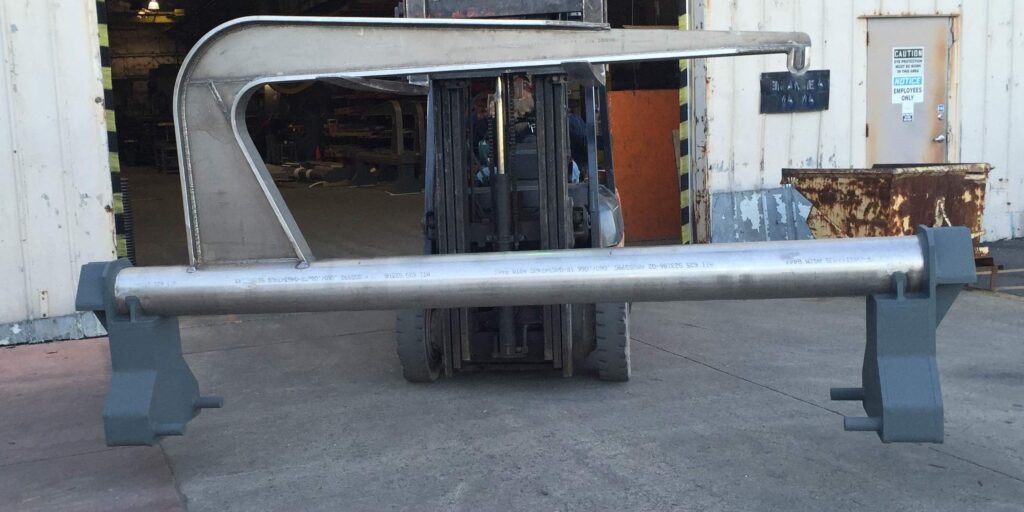
Pickling hooks made from carbon steel are still very common. Wire mills like them because the initial investment often appears to be economical. The creation of this type of hook involves a burnout table. A plate of heavy, constant-thickness steel is burnt-out to the shape necessary for pickling.
Wire mills know that this type of hook won’t last as long, and that frequent replacements will be necessary. While there are several reasons for a shorter lifespan, the most common is because carbon steel experiences corrosion at a faster rate when compared to alloy hooks.
Highly Engineered Alloy Pickling Hook
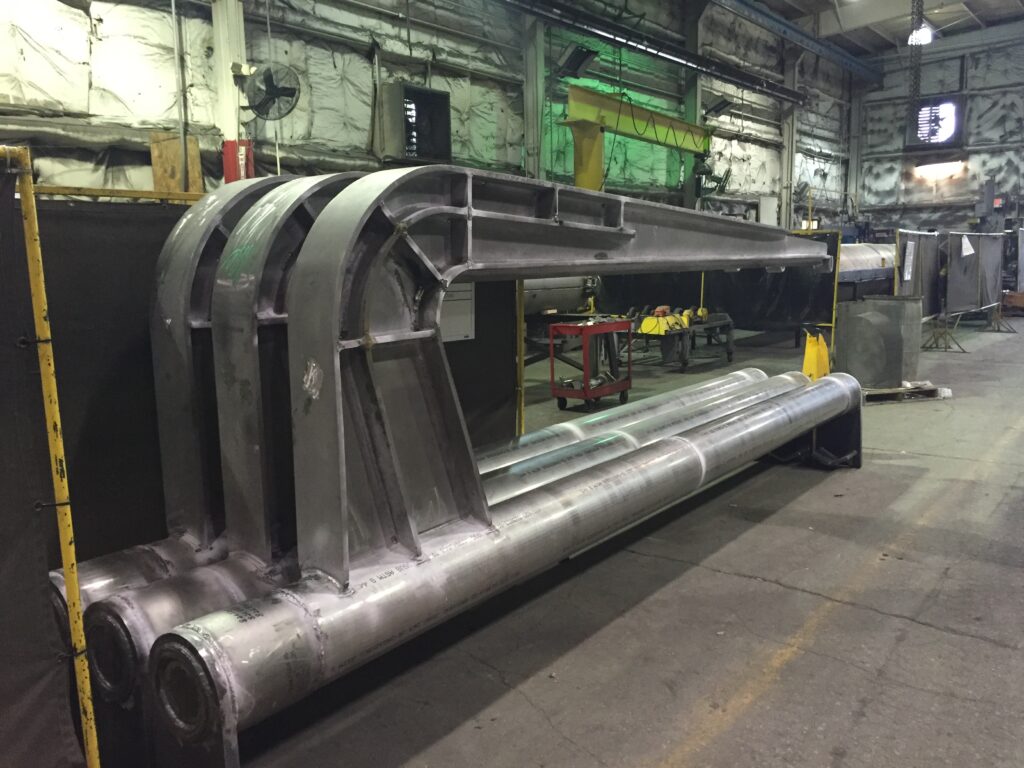
Highly engineered alloy pickling hooks are fabricated by welding sections to form an I-beam like cross section. This approach is used to maximize strength while minimizing material usage. They are often lighter and stronger than comparably sized carbon steel hooks.
They also display corrosion-resistant characteristics not found in carbon steel hooks, which means they simply last longer. Fabricating an alloy hook also involves a discussion about materials selection and operating conditions in order to get the optimal alloy or combination of alloys.
What’s the Best Solution for Your Operation?
When replacing equipment such as a pickling hook, it’s important to look beyond the initial investment. Your facility should consider downtime, lost production and maintenance costs due to the need for frequent and unscheduled replacement of the hooks. A cost analysis might show that the time and investment into an engineered alloy hook rather than carbon steel could save you money in the long run.
In fact, one of our hooks fabricated from Inconel 625 was replaced after 27 years of trouble-free service in an HCl pickling bath. While every operation is different, we’ve seen improvements like this with many customers.
It’s important to have replacement discussions early. Conversations about operating environment, design and materials selection take time. To learn more about pickling hooks and other corrosive-resistant products from Alloy Engineering, contact us here or call us at 440.243.6800.

 Copyright